Position
Start with a position that allows the task to be understood and repeated without unnecessary complexity.
Kainos editorial journal · 2026
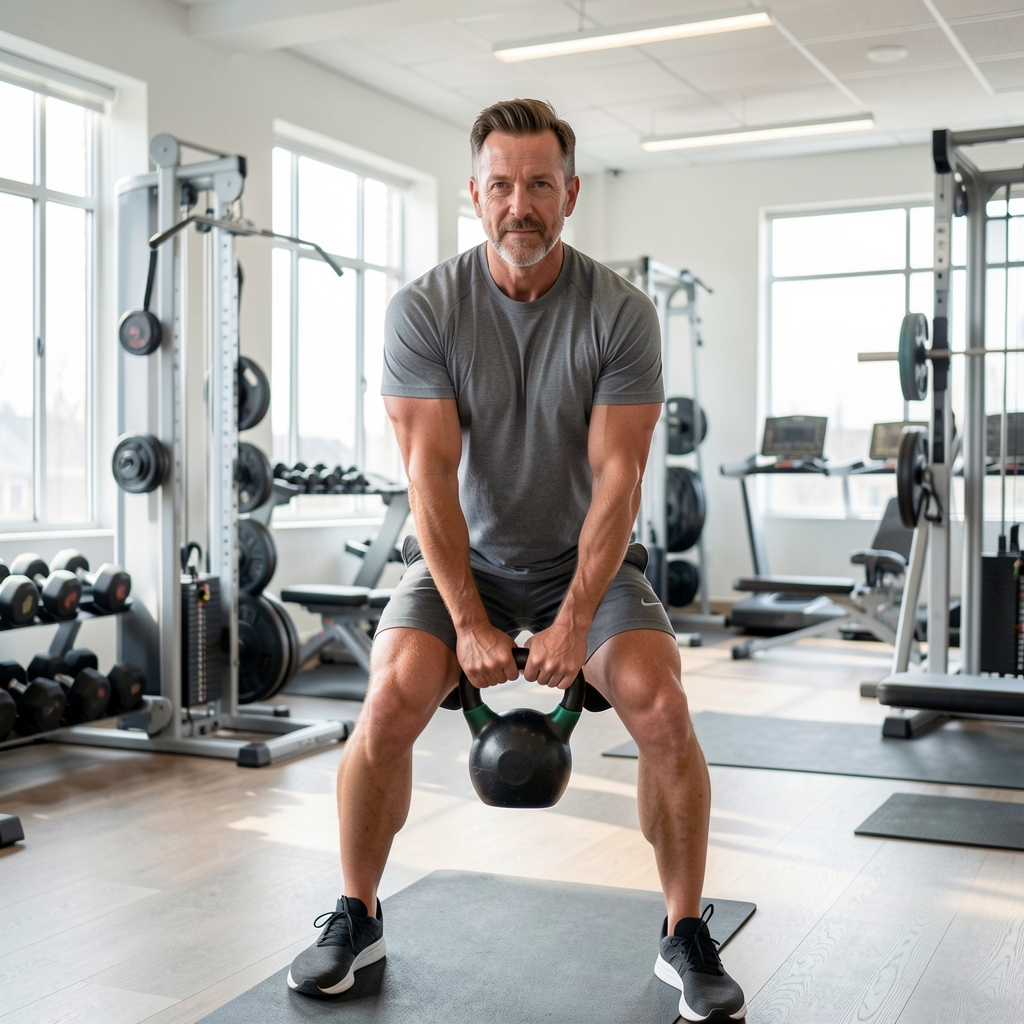
Functional strength is not defined by one lift or one number. It is the ability to produce, control, and repeat force in patterns that relate to ordinary life and chosen activities.
Kainos focuses on technique, gradual loading, range, breathing, and the relationship between a session and the rest of the week. Equipment can help, but the underlying decisions matter more than the appearance of a workout.
A useful strength practice leaves room to learn. It does not require a dramatic test every time.
Start with a position that allows the task to be understood and repeated without unnecessary complexity.
Change one variable at a time, such as load, repetitions, range, tempo, or rest.
Ask whether the practice connects to carrying, climbing, standing, sport, work, or another meaningful activity.
| Emphasis | Example task | Observation |
|---|---|---|
| Push | Pressing a light object with control. | Alignment, breathing, and steady return. |
| Pull | Rowing or carrying a manageable load. | Shoulder position and trunk control. |
| Hinge | Picking up an object from a raised surface. | Hip movement, balance, and load proximity. |
| Squat | Standing from a chair or controlled squat. | Foot pressure, range, and confidence. |
| Carry | Walking with an evenly distributed load. | Posture, breathing, and route awareness. |
“Strength becomes functional when it changes what a person can approach with confidence and control.”
This editorial explanation is not an individual training prescription.
No. The useful challenge depends on the person, task, equipment, and ability to maintain control.
It can remain for weeks when it is still informative and appropriate. Variety is not automatically progress.
Movement, load, repetitions, effort, technique notes, and how the rest of the week was affected.